A Home. A Family. A Life.
Sponsored Residential provides adults with intellectual and developmental disabilities the opportunity to live in a real home — with a trained, caring provider who becomes part of their life.
What Is Sponsored Residential?
Sponsored Residential (also called Host Home or Shared Living) is a model of residential support where an individual with ID/DD lives in the home of a trained, approved provider — not in a group home or facility. The provider is a community member who opens their home and provides day-to-day support as part of their household.
A Real Home
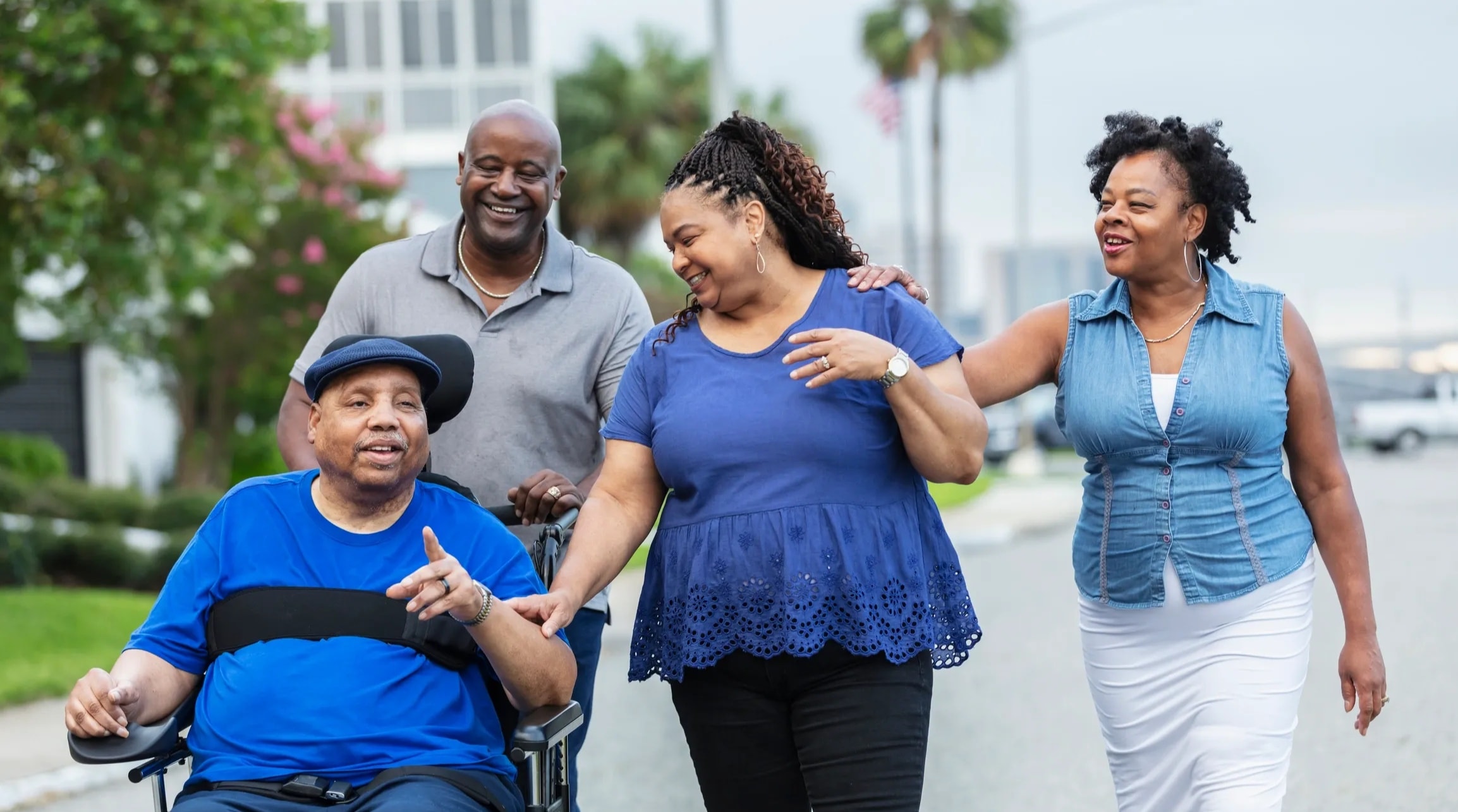
Individuals live in the provider's private home — not a group home, not a facility. A real neighborhood, a real family setting.
A Trained Provider
Providers are carefully screened, trained, and matched to the individual. ELS supports and supervises providers throughout the relationship.
Person-Centered Support
Support is built around the individual's goals, preferences, and daily routines — not a program schedule.
Growth & Independence
Individuals are supported to build skills, pursue interests, and participate in their community at their own pace.
What Daily Life Looks Like
Every home is different — and that's the point. Here's what individuals can expect.
Morning routines and meals together
Living in a real neighborhood
Community outings and errands
Holidays and family events
Working toward personal goals
Building friendships and connections
Day support or other daytime programming
Evening routines and downtime
About Sponsored Residential Providers
Sponsored Residential providers are community members who open their home to an individual with a disability. ELS recruits, screens, trains, and provides ongoing oversight of every provider. Becoming a provider is a meaningful commitment — and ELS is with you every step of the way.
Application & Interview
Interested providers complete an application and meet with ELS staff. We learn about your home, your household, and your experience supporting others.
Home Visit & Screening
ELS conducts a home visit to assess the environment and ensure it meets safety and comfort standards. Background checks are completed for all household members.
40-Hour Provider Training
Approved providers complete a 40-hour training program covering person-centered support, health and safety, communication, and the individual's specific needs.
Matching
ELS interviews both the individual (and their family or support team) and the provider to assess compatibility. Home visits and introductory meetings happen before any placement is finalized.
Ongoing Oversight
After placement, ELS conducts monthly oversight visits, provides ongoing support to providers, and ensures the individual's needs continue to be met.
Interested in Becoming a Provider?
If you're interested in opening your home and making a difference in someone's life, we'd love to hear from you.
Contact Us to Learn MoreEligibility
Sponsored Residential is available to adults (18+) with intellectual and developmental disabilities enrolled in a qualifying Virginia Medicaid waiver. ELS accepts the Community Living (CL) waiver for Sponsored Residential services.
Community Living
The Community Living waiver supports individuals who need a higher level of care to live successfully in the community.
Have questions about eligibility or the referral process? Our intake team is happy to talk through an individual's situation before a formal referral.
For Families: How Placement Works
If your family member is interested in Sponsored Residential, the process starts with a conversation — not paperwork. Our team will explain what to expect, answer questions about available homes, and walk through how matching works.
- 1Talk to our intake team about your family member's needs and preferences
- 2Submit a referral through your support coordinator
- 3ELS identifies potential provider matches and arranges introductory visits
- 4Both parties agree to the match before any placement is finalized
- 5ELS provides ongoing oversight and support after move-in
Become a Provider
Sponsor Interest Form
Interested in opening your home to support an individual with a disability? Complete the form below and a member of our team will follow up within two business days.
Ready to Learn More?
Whether you're a support coordinator making a referral, a family exploring options, or someone interested in becoming a provider — we're here to help.